

Why Music Matters
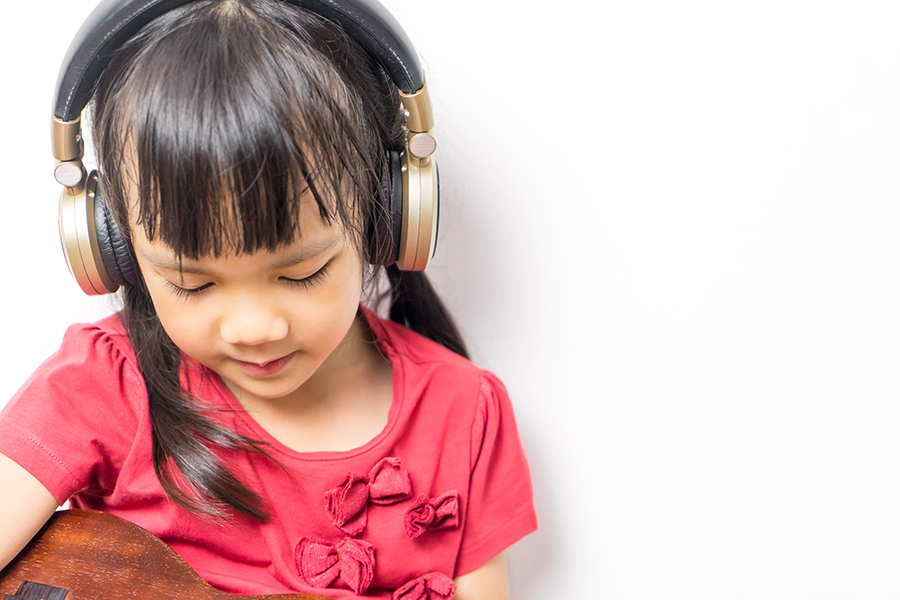
Whenever we go, whatever we do, we will hear someone singing, someone making music. The moment one enters the departmental store, one will hear soothing music being played. The moment one turns on the television, one will hear music and sounds. Music is all around us.

Because of how important music is, one will always hear music resonating in early childhood classrooms. Beginning each morning with a classroom theme song informs children it is time to focus their energy on lessons. When children become restless, teachers use music to invigorate them. When discussing unfamiliar topics, teachers make up catchy songs to leverage children’s learning. This helps them absorb the information while staying focused. Like educators, parents can use the above ways to help their children too.
The Benefits of Music
From birth till age of six is the period where children’s brains develop the most rapidly. The
amount of exposure and stimulation they receive from their surroundings and the adults
around them will lead to the formation of synapses, otherwise known as brain cell
connections. At the age of five, a child’s brain will be 90 percent of the adult’s brain. How
can parents encourage this growth? Music is the key to this.
Music brings about a horde of benefits and the earlier children are exposed to music, the
better it is for their holistic development. This includes their physical and mental well-being, and the way they forge strong relationships with people. Researchers noticed a great contrast with infants who were rarely exposed to music. They were found to be frustrated and experienced interrupted sleep. It is apparent that music can alter one’s sleeping patterns but is that all to it? What other benefits can music offer to children?
01
MOTOR SKILLS
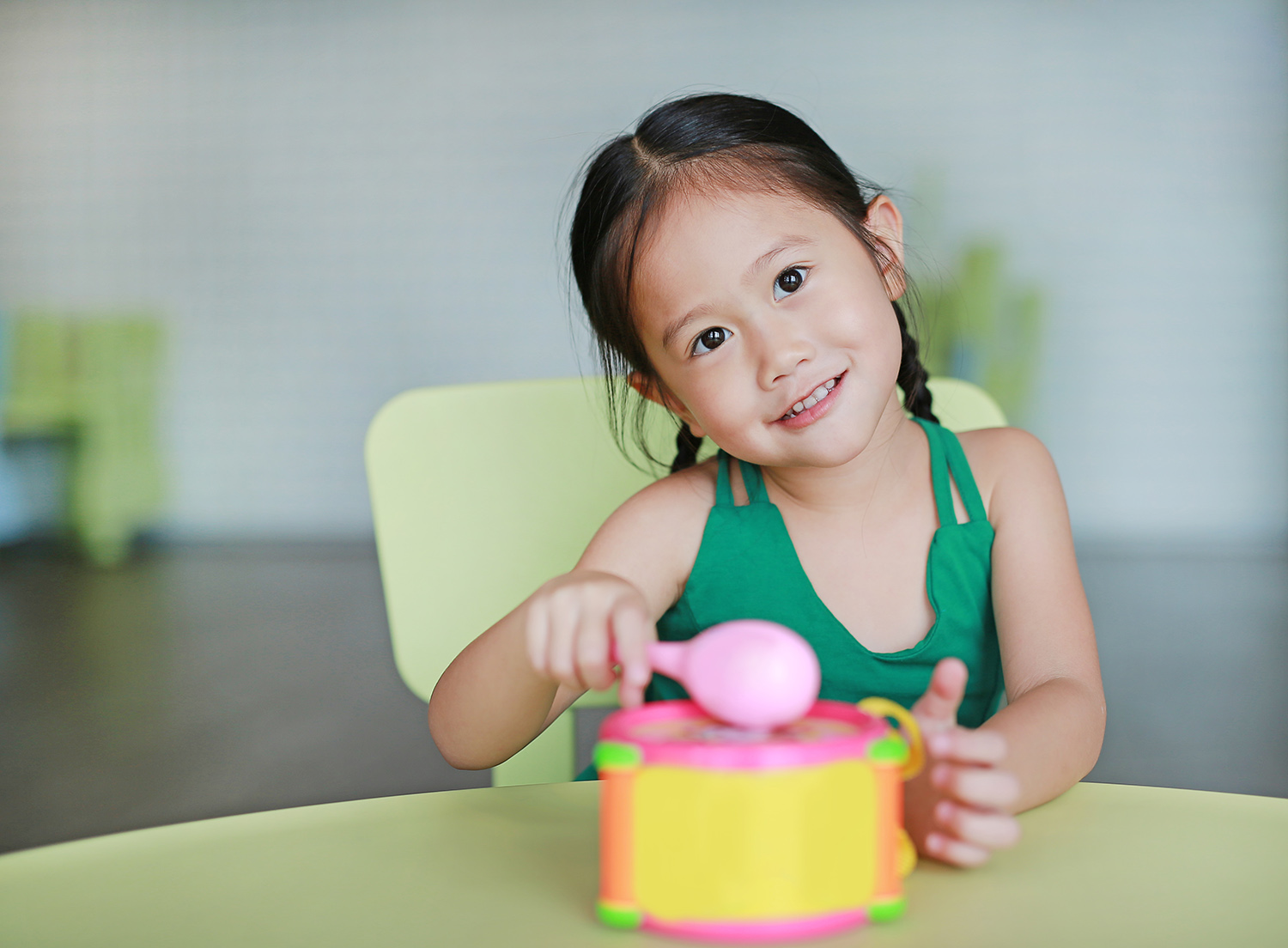
When music is played, children’s natural reaction is to sway or dance to it. The act of
swaying from side to side strengthens their core muscles and trunk stability. This leads to an improvement in children’s coordination and balancing skills which is essential for daily activities such as, standing and walking. Parents who would like to improve their children’s auditory processing skills can consider playing Action Songs. These songs are interactive and encourages children to move according to the lyrics.
02
SOCIAL & EMOTIONAL SKILLS
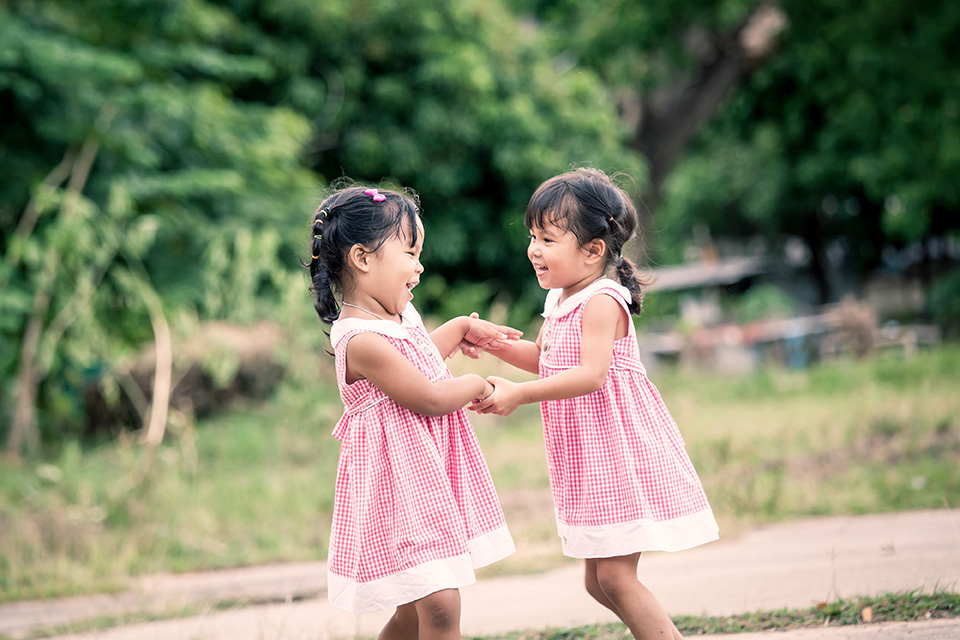
When participating in music and movement activities, children develop skills such as, communication, cooperation and empathy. They learn to express their opinions in an appropriate manner, while taking others’ feelings into consideration. No man is an island during music and movement activities and with exposure, children will grow to sing and
dance in unison for the performance to be successful. This shows them what teamwork is.
Music expands children’s vocabulary skills.
03
VOCABULARY &
LISTENING SKILLS
Before children learn to read, their vocabulary comes mainly from the oral language they hear around them. According to a study, children’s vocabulary comes mainly from music, rather than explicit instruction. A prominent example would be how you learned your ABCs. Listening is imperative in language and the use of music will help children acquire the necessary listening skills to be an effective learner. To further improve children’s listening skills, parents can make up songs with facts and information in it. After listening, children will be tasked to answer specific questions using what they have heard from the song.
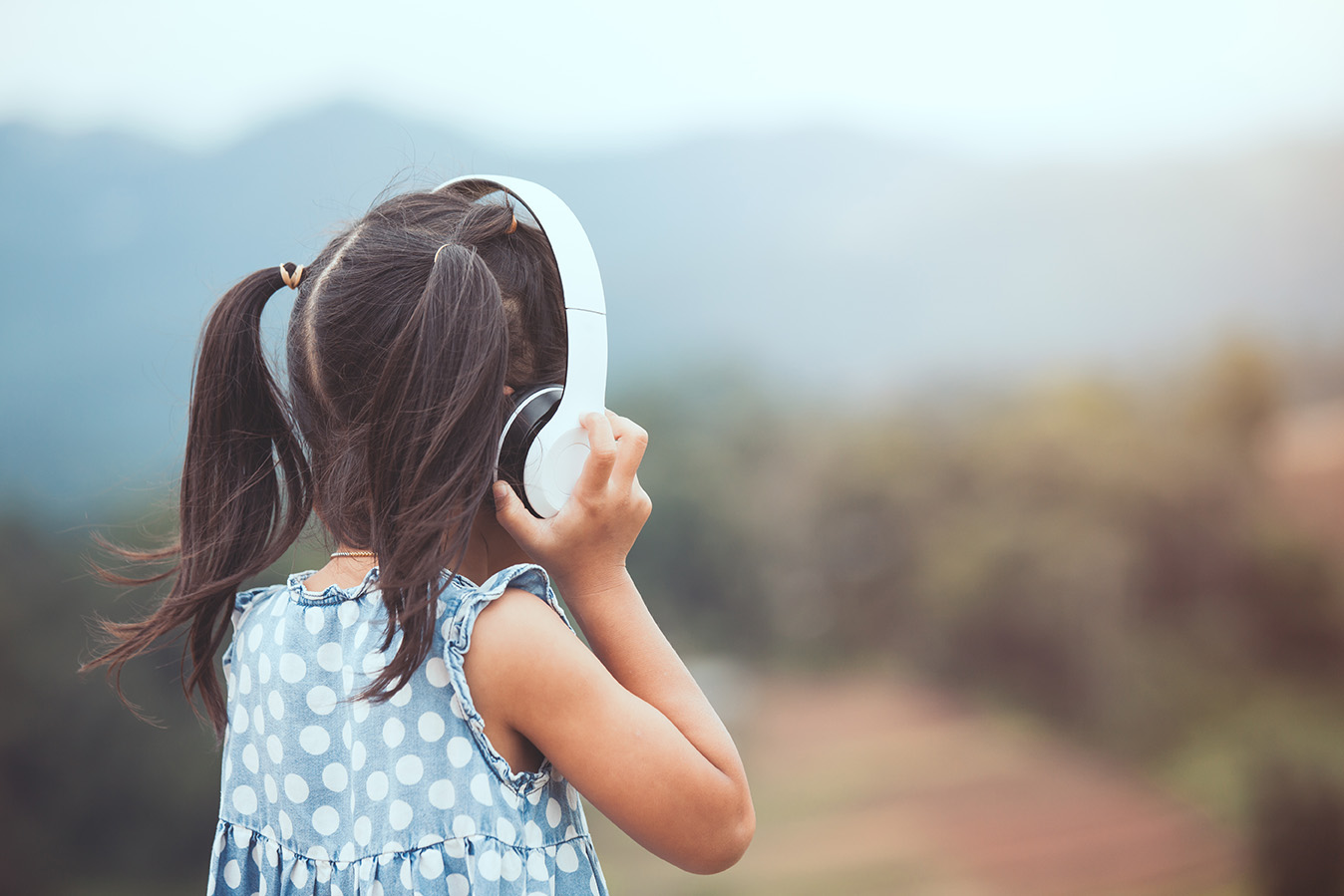
Music should not just be perceived as a tool to help children grow academically. Music is something you can use to strengthen your children’s relationship with you. Parents may not be able to observe the benefits instantly, but good things come to those who wait. With regular exposure to music, children will grow by leaps and bounds. So, use it, play it and watch your children burgeon into talented individuals.